
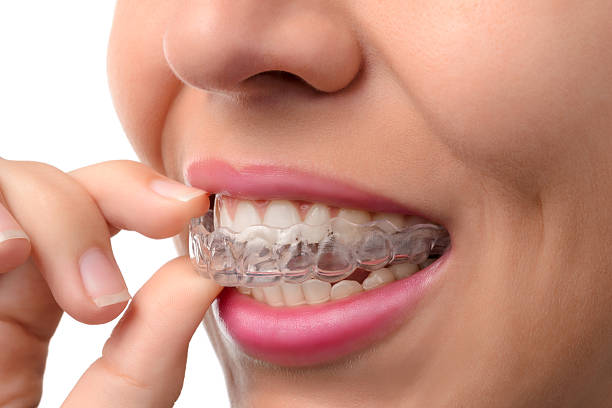
What Does Invisalign Tracking Mean? Signs Your Aligners Are and Aren’t Fitting Correctly
Your newest Invisalign tray goes in, and something looks off. Maybe there is a small space above one tooth, or the tray does not snap fully into place. You may wonder whether your treatment is still on track.
That question has a name in orthodontics. Invisalign treatment follows a sequence of planned tooth positions, one for each tray. Invisalign tracking describes how closely your teeth match the positions your current aligner expects. When teeth track well, each tray seats properly and can apply its planned force. When teeth fall behind, the fit starts to change.
Good tracking involves more than a tray that stays in your mouth. Your orthodontist looks at how fully each aligner seats and where each tooth sits compared with the plan. They also check whether attachments engage the tray, how your bite is changing, what stage you are in, and which movements come next.
At FitBite Orthodontics in Chevy Chase, MD, every patient wearing clear aligners is monitored with these factors in mind. Here is what tracking means, which signs deserve attention, and what your orthodontist can do if teeth fall behind.
What Does “Tracking” Mean During Invisalign Treatment?
Invisalign tracking describes how closely your actual tooth positions follow the positions set by your current aligner and treatment plan. It is something your orthodontist observes rather than a separate procedure.
Each aligner is built for one planned stage. When you wear it, the tray applies force, your tissues respond, and the teeth move. If that movement matches the plan, the next tray fits as expected. Clear aligner tracking describes how well those steps line up. That makes tracking an important way orthodontists judge Invisalign treatment progress.
What Does It Mean When Invisalign Is Tracking Correctly?
When Invisalign is tracking correctly, your teeth sit close enough to the planned stage so the aligner can apply its planned force. The tray adapts closely around the teeth and seats fully. It engages attachments as designed, and progress matches what your orthodontist expects at that point.
Good tracking means your tooth positions correspond well with the current aligner stage. Still, a tray that looks right does not confirm success on its own. Your orthodontist checks details you cannot see in a mirror.
What Does It Mean When a Tooth Is “Not Tracking”?
A tooth is “not tracking” when its actual movement falls behind or differs from the position built into the aligner. This can affect several parts of treatment.
- How well the tray seats
- How much planned force reaches that tooth
- How the next tray fits
- How smoothly treatment progresses
Poor tracking does not mean treatment has failed. It means a tooth needs attention, and your orthodontist can look for the cause.
Why Tracking Matters From One Invisalign Tray to the Next
Each aligner builds on the one before it. Tray 1 moves teeth toward a planned position. Tray 2 assumes that movement happened and continues from there. Tray 3 takes the next step.
If a tooth does not complete an earlier movement, later trays may fit it less well. A small difference can grow as trays progress, because each stage expects the tooth to be farther along. This does not always happen, but it is why tracking matters at every stage.
What Does Properly Fitting Invisalign Look and Feel Like?
Each aligner is custom-made to match a planned tooth position. A well-fitting tray usually feels snug and evenly firm. Knowing what a good fit generally looks and feels like can help you notice changes. Your orthodontist still evaluates tracking more fully than a mirror check can.
A Well-Seated Aligner Should Closely Adapt Around the Teeth
A seated aligner sits fully down over your teeth. The tray hugs each tooth surface, with no obvious space where the tray meets each tooth. Its edges follow the gumline evenly, and it wraps around attachments where your plan includes them.
Tiny variations in fit are common and do not automatically signal a problem. There is no simple home measurement for how much space is too much. If something looks different from usual, ask your orthodontist at your next visit.
How Invisalign Attachments Should Engage the Aligner
Attachments only help when the aligner grips them. The tray is shaped to wrap around each attachment, which helps it apply planned force and control specific movements. When you seat the tray, it should settle firmly around them.
If an aligner does not seem to engage an attachment, that may warrant a check. To learn what each one does, read about Invisalign attachments and how they support tooth movement.
Is It Normal for a New Invisalign Tray to Feel Tight?
Yes, a new tray often feels tight at first. Each aligner represents the next planned stage, so its shape differs slightly from where your teeth sit now. That difference creates the force that moves teeth.
The pressure often eases as teeth adjust, though how it feels and how long it lasts vary. If tightness comes with sharp pain or a tray that will not seat, contact your orthodontist.
Signs Your Invisalign May Not Be Tracking as Planned
Many fit changes are small and temporary. What deserves attention is a difference that persists or grows over time. Watch for the following signs.
- A visible space between a tooth and the aligner that does not close
- A tray that will not seat around a particular tooth
- An attachment the aligner does not engage
- One area that fits worse with each tray
- New trays that become harder to seat
One minor observation is rarely cause for alarm. A pattern is worth reporting. When you call, note which tooth looks different and when you first noticed it.
A Persistent Gap Between the Aligner and Tooth
Some patients call visible space between a tooth and the tray an “air gap.” A persistent gap may mean the tooth and the aligner’s planned position do not fully match.
What that gap means depends on the tooth, the planned movement, and your stage of treatment. No single size separates normal from concerning. Your orthodontist can tell whether it needs action.
The Aligner Is Not Seating Around an Attachment
Attachments and aligners are designed to work as a pair. The tray presses against the attachment to guide a specific movement. If the tray does not seat over it, force delivery and control may differ from the plan. Mention it to your orthodontist rather than forcing the tray into place.
One Tooth Appears to Be Falling Behind the Others
Teeth do not all respond the same way. Tooth shape, root form, the type of movement, and your individual biology all play a role. Some teeth need more time or support than others.
Each New Aligner Seems to Fit Worse Than the Previous One
When each new tray fits worse than the last, the issue may be cumulative. An earlier movement may not have finished, but the next tray assumes it did. The difference can grow with every stage.
If you notice this pattern, contact your orthodontist before moving ahead. Continuing through trays on your own may make the difference harder to correct.
Why Does Invisalign Sometimes Stop Tracking?
Tracking problems have many possible causes, and wear habits are only one of them. The type and amount of planned movement can affect results. So can the specific tooth involved, how often aligners are changed, and whether attachments are used. The main causes fall into five groups.
Not Wearing Aligners for the Prescribed Amount of Time
Aligners apply force only while they are in place. When trays spend extra time out of the mouth, the planned force reaches the teeth less consistently. Movement may lag, and tracking can slip.
That same research lists insufficient daily wear among the leading reasons aligners stop tracking. It cites one large study in which only about a third of adults met recommended wear-time targets. Busy schedules make gaps in wear common. Follow your orthodontist’s wear instructions, and let them know if staying on schedule is hard.
Some Tooth Movements Are More Biomechanically Challenging
Some movements are harder for aligners to achieve than others. Rotation, extrusion, intrusion, torque, and bodily movement with root control often need more precise force. Our guide to how Invisalign moves teeth explains each type.
An Invisalign Attachment Can Become Damaged or Detached
Attachments can chip, wear down, or come off. When that happens, the aligner may grip that tooth differently, which can affect certain movements. A lost attachment does not always cause tracking problems, but it should be checked. If an attachment breaks or comes off, contact the office. FitBite offers orthodontic emergency care for urgent appliance problems, including damaged aligners.
Teeth Do Not All Respond to Orthodontic Forces Identically
A digital plan sets a precise sequence of movements. Your teeth respond through living tissue, and that response varies from person to person. Some teeth may reach their planned position more slowly or less completely than others. A plan is a target rather than a guarantee, which is one reason refinements exist.
A Damaged or Distorted Aligner May Affect Fit
Aligners can warp, crack, or lose shape from heat, chewing, or rough handling. A distorted tray may not seat fully or apply force as designed. Avoid trying to repair it yourself. Contact your orthodontist for guidance on what to wear next.
How Does an Orthodontist Check Whether Invisalign Is Tracking Correctly?
Orthodontic monitoring involves more than asking whether a tray feels okay. At FitBite Orthodontics, an orthodontist supervises each stage of Invisalign treatment. If you are looking for Invisalign treatment with regular progress scans and hands-on checks, it helps to know what those visits involve.
The Orthodontist Checks Aligner Seating and Attachment Engagement
At each visit, your orthodontist looks at how your aligner seats. They check whether the tray contacts every tooth as planned and engages each attachment. That connection, from aligner to tooth to attachment, shows whether the planned force can produce the planned movement.
Tooth Positions Are Compared With Expected Treatment Progress
Monitoring comes down to comparison. Your orthodontist compares where your teeth actually are with where the plan expects them to be at this stage. Digital records make that comparison more precise. Small differences may only need monitoring, while larger ones may need action.
Bite Changes Are Evaluated Alongside Tooth Alignment
Straight teeth are only part of the result. Your orthodontist also checks overbite, overjet, and how the upper and lower arches relate. They look at how teeth contact when you bite and how well your upper and lower teeth work together. Your trays can fit well while your bite still needs work.
At FitBite, treatment planning focuses on bite function as well as alignment. This matters most when your plan involves Invisalign for overbites, underbites, and crossbites.
Digital Progress Scans May Help Document Tooth Movement
Digital progress scans can document tooth movement over time. A scan captures your current tooth positions so your orthodontist can compare them with the planned stage. These scans build on the same records used in digital Invisalign treatment planning. FitBite also offers virtual monitoring, a form of digital orthodontic monitoring, so some progress checks can happen between office visits. Your orthodontist decides when a new scan is needed.
What Happens If Your Invisalign Isn’t Tracking Correctly?
If your Invisalign is not tracking, the next step depends on the cause. New aligners are not automatically the answer. Possible responses include the following.
- Continued monitoring
- Reviewing wear habits
- Checking how aligners seat
- Repairing or rebonding an attachment
- Adjusting treatment mechanics
- Taking a new scan and updating the plan
- Ordering refinement aligners
Avoid home fixes. Your orthodontist chooses the response that fits the problem.
Your Orthodontist May First Determine Why Tracking Changed
The first step is diagnosis. New trays are not the default. A tracking problem caused by a lost attachment needs a different fix than one caused by a slow-moving tooth. Finding the cause leads to the right response.
Attachments or Other Treatment Mechanics May Need Adjustment
Your orthodontist may replace or adjust attachments. They may also change how force is applied with tools such as Invisalign elastics. These changes can help the aligner work more effectively where a tooth fell behind.
A New Digital Scan May Be Recommended
If teeth have drifted from the plan, a new scan records where they are now. Your orthodontist uses that updated model to revise the remaining stages. Treatment then continues from your actual tooth positions.
Refinement Aligners May Be Used When Additional Movement Is Needed
When teeth need more movement after reassessment, refinement aligners are one option. They form an additional sequence based on your current tooth positions, designed to finish the remaining tooth or bite movement. FitBite’s article on Invisalign refinements explains how they work.
Should You Move to Your Next Invisalign Tray If the Current One Doesn’t Fit?
Check with your orthodontist first. Each new tray assumes your teeth completed the previous stage. If your current tray does not fit well, follow your orthodontist’s instructions rather than advancing, going back, or changing your schedule on your own.
Why Changing Trays Faster Doesn’t Make Teeth Move Faster
A new aligner changes the force on your teeth, but tooth movement depends on how bone and tissue respond. That biological response takes time, so switching trays sooner does not speed it up.
Why Patients Should Not Modify Invisalign Trays Themselves
Do not cut, trim, heat, or reshape your aligners. Changing a tray can alter its fit and the force it applies. If a tray rubs, cracks, or feels wrong, contact your orthodontist.
Invisalign Tracking and Progress Monitoring at FitBite Orthodontics in Chevy Chase, MD
An orthodontist guides Invisalign treatment at each stage. At FitBite Orthodontics, Dr. Linda Hallman, an orthodontist in Chevy Chase, MD, diagnoses, plans, and monitors treatment. She holds a DDS from the University of Maryland and a PhD in Craniofacial Growth and Development. She completed her orthodontic residency at the University of California, San Francisco, and is certified in Invisalign.
Patients choosing clear aligners in Chevy Chase receive more than a box of trays. Their care includes checks of tracking, attachments, and bite progress throughout treatment. The practice also welcomes patients from nearby Bethesda and Friendship Heights. Explore Invisalign treatment in Chevy Chase to learn how FitBite approaches aligner care.
You may be starting treatment or have questions about how your aligners fit. Either way, Dr. Hallman and the team can evaluate your teeth or your progress and explain your options. Schedule a consultation for an Invisalign evaluation in Chevy Chase, MD.
Frequently Asked Questions About Invisalign Tracking
What does Invisalign tracking mean?
Invisalign tracking describes how closely your actual tooth positions match the positions in your current aligner. Good tracking means your teeth and aligners are progressing together as planned.
How do I know if my Invisalign isn’t tracking?
Poor tracking may show up as a persistent mismatch between the aligner and a tooth. Examples include poor seating around a tooth or attachment. Your orthodontist can tell whether a visible difference matters clinically.
Does a small gap mean Invisalign isn’t working?
No. A visible gap does not automatically mean treatment has failed. Its significance depends on the tooth, the planned movement, your treatment stage, and whether the gap persists or grows.
Can Invisalign start tracking again?
It can, with the right orthodontic management. The approach depends on the cause and may involve monitoring, attachment repair, or an updated treatment plan.
Do you need refinements if Invisalign stops tracking?
Not necessarily. Poor tracking does not automatically require refinement aligners. Refinements are one option when more movement is needed after reassessment.

