
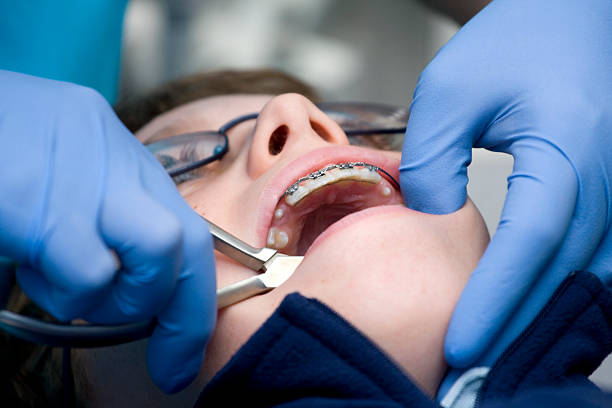
Why Teeth May Look Worse Before Jaw Surgery: Orthodontic Decompensation in Chevy Chase, MD
You started braces to prepare for jaw surgery, expecting your bite to improve. A few months in, your underbite looks more noticeable, and your teeth don’t meet the way they used to. This change can be an expected part of orthodontic decompensation before jaw surgery. Decompensation means moving teeth that have adapted to a jaw imbalance into a better position over their own jaws.
Your bite depends on three separate things. These are the position of your teeth, your upper jaw, and your lower jaw. When the jaws don’t line up, teeth can tilt over time to help them meet. This natural adjustment is called dental compensation.
Orthodontics alone can sometimes camouflage a mild jaw difference by working with those tilted teeth. When surgery is part of the plan, those tilts can get in the way. Presurgical orthodontics reverses selected compensations so the surgeon can correct the skeletal relationship and so the teeth fit afterward.
This stage is planned, not a setback. Braces before jaw surgery prepare your teeth for where your jaws will be, not where they are now. For patients considering orthognathic surgery in Chevy Chase, MD, understanding this step can make the middle of treatment less stressful.
What Is Orthodontic Decompensation Before Jaw Surgery?
Orthodontic decompensation is the presurgical stage that repositions teeth relative to their own jaws before a surgeon corrects the jaw relationship. It reverses selected tooth tilts that developed to offset an underlying jaw imbalance. The goal is to prepare the dental arches so they fit together after surgery.
Decompensation is not a surgical procedure. Your orthodontist performs it with braces or other appliances as part of orthodontic preparation.
The process follows a clear chain. An underlying skeletal discrepancy leads the teeth to tilt in compensation. Presurgical decompensation reverses selected tilts. Then the oral and maxillofacial surgeon repositions the jaw or jaws as planned.
What Does Dental Compensation Mean in Orthodontics?
Dental compensation describes changes in tooth position or tilt that partially offset an underlying skeletal discrepancy. The teeth adapt so they can still meet, even though the jaws do not line up ideally.
Incisor inclination, the forward or backward tilt of the front teeth, is one of the clearest places to see compensation. The upper and lower front teeth may lean in opposite directions to shrink the visible gap between the jaws. Orthodontists also use the term dentoalveolar compensation, which includes both the teeth and the bone that holds them.
A bite with these adaptations is called a compensated malocclusion. Compensation is not a disease. It is a natural adjustment, and it develops differently from person to person.
How Is Orthodontic Decompensation Different From Regular Teeth Straightening?
The difference comes down to treatment goals. Regular orthodontics works within your existing jaw relationship. Surgical orthodontics prepares the teeth for a jaw relationship that does not exist yet.
| Nonsurgical Orthodontics | Surgical Orthodontics | |
|---|---|---|
| Jaw Relationship | Works within the current jaw position | Prepares for a planned new jaw position |
| Front Tooth Tilt | May keep or add tilt to camouflage a mild jaw difference | Reverses selected compensations |
| Bite During Treatment | Tends to look steadily better | May look worse before surgery |
During the presurgical phase, straighter-looking teeth and surgically appropriate tooth positions are not always the same goal. Your orthodontist prioritizes where the teeth need to sit after the jaws move.
Why Is Decompensation Sometimes Necessary Before Corrective Jaw Surgery?
Compensated teeth can limit how far the surgeon can move the jaws and how well the arches fit afterward. If the front teeth stay tilted, they may collide or misalign once the jaws reach their new positions. Mayo Clinic’s overview of jaw surgery notes that braces may need extra time to undo tooth movements made before the need for surgery was clear.
Decompensation follows a planned sequence:
- Identify the dental compensation
- Plan the skeletal correction
- Reposition the teeth over their jaws
- Prepare the arches for the surgical bite
Decompensation supports a better surgical result, but it does not guarantee one. Outcomes also depend on healing, the surgical plan, and postsurgical care.
Why Can Teeth Look More Crooked or the Bite Look Worse Before Jaw Surgery?
Your bite can look worse because your orthodontist is reversing the tooth tilts that once made your jaw difference look smaller. Those tilts were hiding part of the problem. Removing them reveals the true jaw relationship that surgery will correct. Your front teeth may also look more tilted or uneven for a while as they move.
This change is temporary. How your bite looks midway through preparation differs from the long-term goal. The aim is a bite that fits once the jaws are repositioned, not one that looks ideal before surgery.
How Compensated Teeth Can Hide the Severity of an Underbite
In a skeletal Class III relationship, the lower jaw sits ahead of the upper jaw, which creates an underbite. To help the teeth meet, the upper front teeth may tip forward, a pattern known as upper incisor proclination. The lower front teeth may tip backward, which is lower incisor retroclination.
These dental compensations make the underbite look milder than the jaw difference actually is. When your orthodontist corrects them, the lower front teeth can end up farther ahead of the upper teeth.
That forward position is called negative overjet. It means the lower front teeth sit in front of the upper front teeth. A larger negative overjet before surgery can feel alarming, but it lets the surgeon correct the jaw relationship more completely.
Why an Overbite or Overjet May Change During Presurgical Braces
In some skeletal Class II patterns, the lower jaw sits behind the upper jaw. The upper front teeth may tip back, while the lower front teeth tip forward. Reversing those tilts can increase the overjet before surgery.
Patterns vary, and not every Class II case compensates the same way. It also helps to know two terms that people mix up.
- Overjet is the horizontal distance between the upper and lower front teeth.
- Overbite is how far the upper front teeth overlap the lower ones vertically.
A Class II jaw difference typically shows up as increased overjet. Your overbite may change too, depending on your vertical jaw pattern.
Why Your Teeth May Not Fit Together Normally During Decompensation
As teeth move toward their presurgical positions, the way they meet can change. Some patients notice fewer teeth touching, a different feel when biting, or chewing that takes more effort.
These changes happen because your orthodontist is positioning the teeth for the future jaw relationship, not the current one.
Some adjustment is expected. Significant pain, trouble eating, or symptoms that keep worsening are not something to ignore. Contact your treating team if anything feels unexpected.
Does a Worse-Looking Bite Mean Orthodontic Treatment Is Failing?
Not necessarily. Whether a bite change is expected depends on your documented treatment plan. A planned increase in overjet is part of preparation. An unplanned change, like a tooth moving in the wrong direction, is different.
Knowing your milestones helps. Consider asking your orthodontist:
- Which changes should I expect before surgery?
- How will I know when my teeth are ready?
- Which changes should I report right away?
Clear answers can turn a confusing stage into an understandable one.
How Upper-Jaw and Lower-Jaw Discrepancies Affect Orthodontic Decompensation
Decompensation depends on the skeletal diagnosis, not on how crooked the front teeth look. Your orthodontist first identifies whether the problem involves the maxilla (upper jaw), the mandible (lower jaw), or both.
| Skeletal Pattern | What It Means | Possible Compensation |
|---|---|---|
| Maxillary Deficiency | Upper jaw sits back or is underdeveloped | Upper front teeth tip forward (skeletal Class III) |
| Mandibular Prognathism | Lower jaw sits forward | Lower front teeth tip backward (skeletal Class III) |
| Mandibular Retrognathia | Lower jaw sits back | Lower front teeth tip forward (skeletal Class II) |
Each pattern produces a different kind of dental compensation, so each calls for a different decompensation plan.
Maxillary Deficiency and Compensated Upper Incisor Positions
An underdeveloped or set-back upper jaw can contribute to a skeletal Class III relationship. To compensate, the upper front teeth may tip forward to reach the lower teeth.
Maxillary advancement moves the upper jaw forward. If the upper front teeth stay tipped, they could end up too far ahead once the jaw moves. Correcting their tilt beforehand helps the upper teeth sit properly after surgery.
Not every patient with maxillary deficiency needs upper-jaw surgery. The plan depends on severity, growth status, and overall goals.
Mandibular Prognathism and Lower Incisor Compensation
Mandibular prognathism means the lower jaw sits forward or appears prominent relative to the rest of the facial skeleton. In some skeletal Class III cases, the lower front teeth tip backward to compensate.
Presurgical orthodontics may need to tip those teeth forward toward a more natural angle before a mandibular setback or another surgical approach. Without that correction, the lower teeth could limit how the jaws fit together.
Lower-jaw setback is not always the preferred procedure. The surgeon may recommend moving the upper jaw, the lower jaw, or both.
Mandibular Retrognathia and Skeletal Class II Bite Problems
Mandibular retrognathia means the lower jaw sits relatively far back. It can create increased overjet, where the upper front teeth sit well ahead of the lower ones. The lower front teeth may tip forward to compensate.
Your orthodontist and surgeon evaluate both the dental and skeletal relationships before deciding on a plan. A large overjet or deep overbite does not automatically mean surgery. Surgery enters the conversation when the jaw difference is too large for orthodontics alone.
Why Some Patients Need Both Upper- and Lower-Jaw Correction
Some skeletal discrepancies involve both jaws. Facial asymmetry, vertical problems, or complex three-dimensional imbalances may call for bimaxillary surgery, which repositions both jaws.
In these cases, decompensation follows the planned movement of each jaw. Your orthodontist prepares each arch for where its jaw will sit after surgery.
How Orthodontists Identify Dental Compensation Before Jaw Surgery
Orthodontists identify compensation by comparing where the teeth sit with where the jaws sit. You cannot reliably judge this from your smile. Teeth that look fairly straight can still be strongly tilted to hide a jaw difference.
The planning process follows a sequence:
- Facial examination of profile, symmetry, and proportions
- Bite assessment
- Dental records, including scans and photographs
- Skeletal analysis
- Surgical objectives agreed on with the surgeon
- A presurgical orthodontic plan
If you want to understand the difference between tooth and jaw problems first, our guide to skeletal versus dental bite problems covers the basics.
How Cephalometric Analysis Helps Evaluate Jaw and Incisor Relationships
Cephalometric analysis is an orthodontic assessment that measures how the jaws, teeth, and face relate to one another. It uses a lateral cephalometric radiograph, a side-view X-ray of the head.
From that image, your orthodontist takes cephalometric measurements of the skeletal relationship and incisor inclination. The measurements also include the mandibular plane, which is the slope of the lower jaw.
Together with facial proportions, these measurements show how much of the problem comes from the jaws. They also show how much comes from tooth tilt.
Why Orthodontists Examine Tooth Roots, Not Just Crowns
Decompensation changes more than how the front teeth tilt. It can also change where the roots sit inside the bone.
Each root sits in a ridge of alveolar bone with limited width. That bone sets the boundaries for movement. Your orthodontist checks root position and bone support to decide how far each tooth can move during surgical preparation. Not every desired amount of decompensation is possible.
How Digital Orthognathic Planning Connects Tooth Position With Jaw Movement
Surgical planning may combine digital dental models, imaging, and three-dimensional skeletal information when the case calls for it. These tools let the team preview how planned jaw movements will affect the final bite.
That connection works both ways. The planned jaw movement shapes where the teeth should sit. The tooth positions also influence how far the jaws can move and how the arches will meet.
Why the Orthodontist and Oral Surgeon Must Agree on Treatment Objectives
Your orthodontist and oral and maxillofacial surgeon must share the same plan, because each prepares for the other’s work. The surgeon performs the jaw surgery. The orthodontist manages the teeth before and after.
Together, they agree on:
- Dental arch alignment
- Incisor inclination
- The planned surgical bite
- Jaw positioning
- Postsurgical finishing goals
To see how that teamwork unfolds across a full case, read about how orthodontists and oral surgeons coordinate jaw surgery.
What Happens During Presurgical Orthodontic Decompensation?
Presurgical decompensation typically moves through four stages. The exact sequence depends on your malocclusion, the surgical plan, and the appliances your orthodontist selects.
Step 1. Braces or Other Orthodontic Appliances Begin Aligning the Dental Arches
Treatment begins with aligning and leveling the teeth. Leveling evens out tooth heights so each arch forms a smooth curve. Arch coordination then starts preparing the upper and lower arches to match.
Orthodontists usually place fixed appliances such as traditional braces in surgical cases. Braces give precise control over tooth tilt and root position. Appliance choice still depends on the plan, and clear aligners are not suitable for every surgical case.
Step 2. Compensated Incisors Are Repositioned
Next, your orthodontist begins incisor decompensation. This presurgical tooth movement shifts the upper and lower front teeth toward angles that suit the planned jaw correction.
Root control matters here. The goal is to change the angle of the whole tooth, not just tip the crown. Once the front teeth stop masking the jaw difference, overjet or negative overjet may temporarily increase.
Step 3. The Orthodontist Coordinates Arch Width and Tooth Positions
The upper and lower arches must fit together once the jaws move. Your orthodontist adjusts arch form and transverse coordination, meaning side-to-side width. Remaining rotations and root positions also get refined.
The final presurgical setup depends on the surgical plan. A case involving upper-jaw advancement may need different arch preparation than one involving only the lower jaw.
Step 4. The Surgical Team Reassesses Readiness for Jaw Surgery
Before surgery, the treating team evaluates progress. This may include updated records, a bite assessment, and confirmation that the surgical objectives still apply.
Readiness depends on reaching the planned tooth positions, not on a set date. If more preparation is needed, the team adjusts before scheduling surgery.
Does Everyone Need Their Teeth Decompensated Before Jaw Surgery?
No single protocol applies to every jaw surgery patient. Whether you need decompensation, and how much, depends on your tooth positions, skeletal discrepancy, planned jaw movement, and overall strategy.
If you are still exploring whether surgery applies to you, our guide to adult jaw correction options compares Invisalign, braces, and surgery.
Why Some Patients Need More Decompensation Than Others
Compensation severity varies widely. Several factors shape how much decompensation a patient needs:
- How far the incisors are tilted
- How the upper and lower arches relate
- Gum and bone limitations
- The size and direction of the planned surgical correction
A patient with mild tooth tilting may need only modest changes. Someone with heavily compensated teeth may need more extensive preparation.
Can Jaw Surgery Be Performed Without Extensive Presurgical Orthodontics?
In selected cases, yes. With a surgery-first approach, the surgeon performs jaw surgery before most orthodontic tooth movement, and orthodontics finishes afterward. Other protocols use limited presurgical orthodontics.
These approaches require careful case selection and close coordination between the orthodontist and surgeon. They are not appropriate for every patient. Your treating team can explain which sequence fits your diagnosis.
What Happens When Full Decompensation Is Limited by Bone or Periodontal Anatomy?
Supporting bone and gum tissue can limit how far teeth can move. Lower front teeth sit in a narrow ridge of bone, which leaves little room for repositioning. A systematic review of presurgical decompensation found measurable bone loss around lower incisors during Class III decompensation. Gum recession in that review was statistically significant but clinically minor.
When anatomy limits movement, the team may accept partial decompensation and adjust the surgical plan accordingly. Your orthodontist, surgeon, and sometimes a periodontist work together on these decisions. Pushing teeth beyond their anatomical limits is not a safe trade-off.
How Long Does Orthodontic Decompensation Take Before Jaw Surgery?
The timeline is highly individualized, and no single duration applies to every patient. Factors include:
- The initial malocclusion
- How compensated the teeth are
- How much tooth movement is required
- Root positions
- Arch coordination needs
- Biological response to tooth movement
- Surgical scheduling
- Overall treatment complexity
Your orthodontist can give a more specific estimate after reviewing your records.
Why Presurgical Orthodontics Can Take Longer Than Patients Expect
Preparation is not just straightening visibly crooked teeth. Your orthodontist must place each tooth where it belongs for the planned jaw movement. Teeth that already look straight may still need significant changes to tilt and root position.
How Orthodontists Monitor Progress Toward Surgical Readiness
Monitoring combines clinical exams, updated records, and assessment of tooth positions and bite changes. Your orthodontist shares progress with the surgeon so both agree when the teeth are ready. Visit frequency depends on your treatment plan.
Why Surgery Should Not Be Scheduled Solely Based on How Straight the Teeth Look
Straight-looking teeth do not confirm surgical readiness. Visible alignment reveals nothing about root positions, arch coordination, or whether the incisors suit the planned jaw movement. Readiness is a clinical judgment, not a visual one.
What Happens After Jaw Surgery? From Skeletal Correction to Bite Finishing
After surgery, treatment shifts from skeletal correction to fine-tuning the bite. The full sequence runs through five stages:
- Presurgical decompensation
- Surgical repositioning of the jaw or jaws
- Healing
- Postsurgical orthodontics
- Retention
Jaw Surgery Changes the Skeletal Relationship
The oral and maxillofacial surgeon repositions the indicated jaw or jaws according to the surgical plan. Surgery corrects the skeletal relationship. Orthodontics manages tooth positions before and after that correction.
Postsurgical Orthodontics Refines the Final Bite
Once healing allows, your orthodontist resumes treatment to refine tooth contacts and arch coordination. The bite settles as the teeth and jaws adapt. Finishing adjustments then bring the teeth into their final positions. Additional orthodontic treatment after surgery is a normal part of the plan.
Retainers Help Maintain the Orthodontic Result
Retainers help hold teeth in their final positions after braces come off. Teeth and supporting tissues can still change over time, so neither surgery nor retention eliminates every future change. Following your retainer instructions helps protect your result.
Orthodontic Preparation for Jaw Surgery at FitBite Orthodontics in Chevy Chase, MD
A severe underbite, a large overjet, or an uneven jaw can signal a problem that goes deeper than the teeth. At FitBite Orthodontics, evaluation starts with one question. Is your bite problem dental, skeletal, or both?
Dr. Linda Hallman brings a PhD in craniofacial growth and development to that assessment. Her training focuses on how the jaws and face develop. That background shapes how she evaluates skeletal relationships and dental compensation. If your case may benefit from corrective jaw surgery, she can explain why and recommend a surgical consultation.
FitBite manages the orthodontic side of surgical care. That includes presurgical decompensation, coordination with your oral and maxillofacial surgeon, and postsurgical finishing. The surgeon performs the jaw surgery itself. Patients exploring orthognathic surgery in Chevy Chase get an orthodontist who plans tooth movement around the surgical goals from the start. As an orthodontist in Chevy Chase, MD, Dr. Hallman also provides surgical orthodontics for patients from Bethesda and nearby Washington, DC.
To learn what is driving your bite problem, schedule an orthodontic consultation with FitBite Orthodontics in Chevy Chase, MD. Dr. Hallman and the team can help you understand whether your bite problem is primarily dental, skeletal, or a combination.
Frequently Asked Questions About Orthodontic Decompensation
What is orthodontic decompensation?
Orthodontic decompensation is the repositioning of teeth that have tilted to adapt to an underlying jaw discrepancy. It takes place during presurgical orthodontics, before an oral and maxillofacial surgeon corrects the jaw relationship. The goal is for the teeth to sit properly over their own jaws so the bite fits together after surgery.
Why does my underbite look worse before jaw surgery?
In some skeletal Class III cases, the upper front teeth tip forward, and the lower front teeth tip backward to offset the jaw difference. Reversing those tilts before surgery reveals the true jaw relationship. As a result, the underbite or negative overjet can look more noticeable. This can be a planned change, not a sign of failure.
Do braces make your bite worse before orthognathic surgery?
Presurgical braces can temporarily change how your teeth fit together as part of planned decompensation. That change does not automatically mean something is wrong. Ask your orthodontist which changes to expect at each stage. Report any unexpected changes, significant discomfort, or trouble eating to your treating team.
Is orthodontic decompensation painful?
Decompensation involves orthodontic tooth movement, which can cause temporary pressure or soreness after adjustments. Experiences vary from patient to patient. Soft foods may help on sore days. Persistent or significant pain is not something to ignore, so contact your orthodontist if discomfort feels unusual or keeps getting worse.
Can Invisalign be used before orthognathic surgery?
Clear aligners may be an option in selected surgical cases. Appliance choice depends on the movements required, the surgical plan, and how complex the case is. Fixed braces may be preferred when precise control of tooth tilt and root position matters. Your orthodontist can explain whether Invisalign treatment fits your surgical plan.
Can you have jaw surgery without decompensation?
Some protocols use limited presurgical orthodontics or a surgery-first sequence in selected cases. Whether that fits depends on your diagnosis, tooth positions, and surgical plan. Decompensation should not be skipped without careful evaluation by both your orthodontist and surgeon. Skipping needed preparation can affect how well the teeth fit after surgery.
How long do you need braces before jaw surgery?
The time varies from patient to patient. It depends on your tooth positions, skeletal relationship, how compensated your teeth are, and your treatment goals. Your orthodontist and surgeon decide together when your teeth are ready. Readiness is based on reaching planned tooth positions, not on a fixed number of months.
Who performs orthognathic surgery, the orthodontist or an oral surgeon?
An oral and maxillofacial surgeon performs orthognathic surgery. The orthodontist manages the orthodontic parts of treatment, including presurgical decompensation and postsurgical bite finishing. Both specialists plan the case together so the teeth and jaws fit as intended. At FitBite, Dr. Hallman handles the orthodontic care and coordinates with your surgeon.

